
 267-214-9695
 Call Us Now
 Email Us Now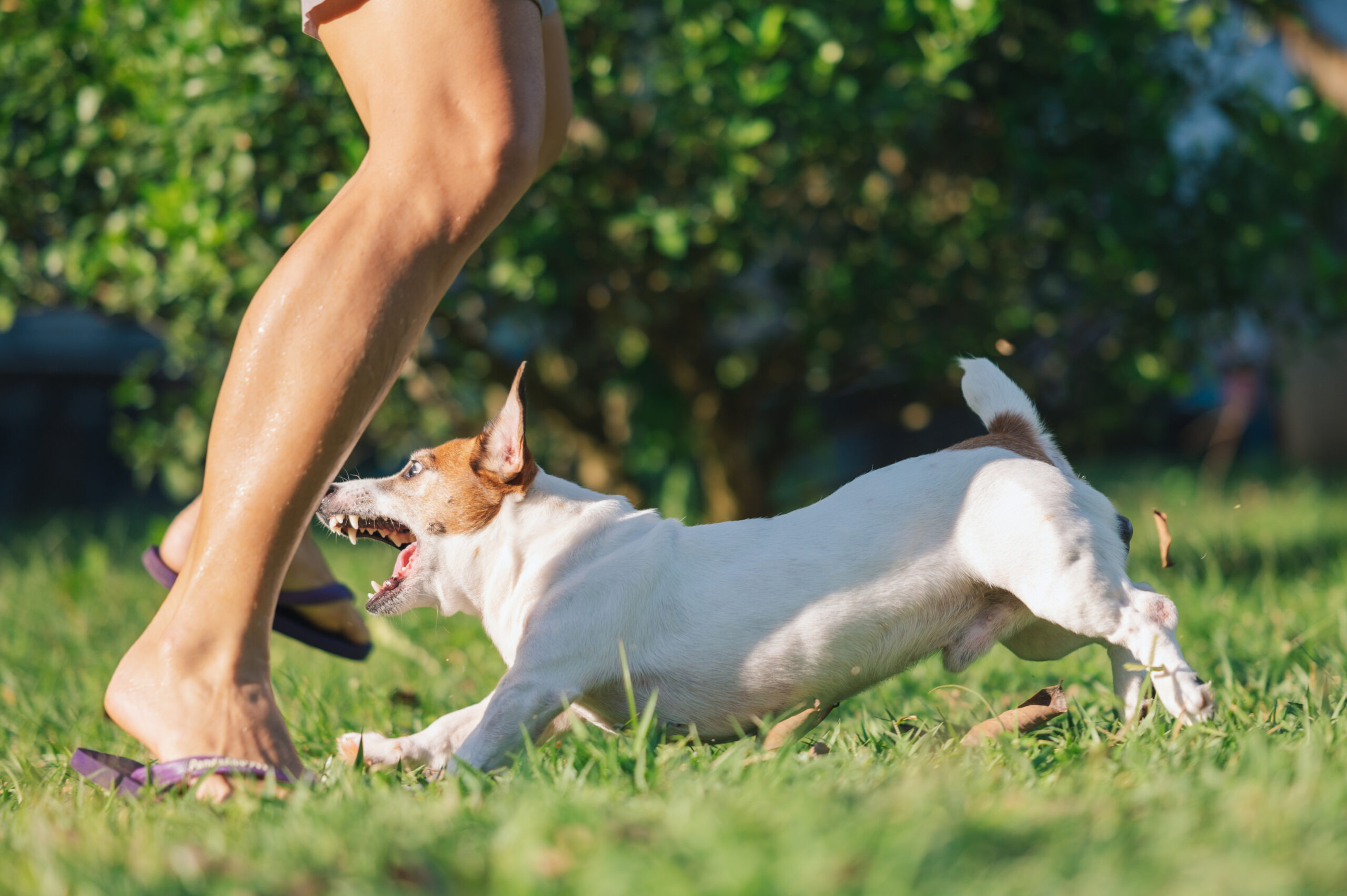
Walking through Fairmount Park or along the crowded sidewalks of Center City should not end in a trip to the emergency room. Yet, dog attacks happen frequently across Philadelphia, leaving victims with physical scars and lasting trauma. When a dog bites, the immediate focus is on medical care, but the financial reality of surmounting bills and lost wages quickly follows. Determining who is responsible for these costs and losses requires a careful review of Pennsylvania’s statutes governing liability.
Pennsylvania does not follow a simple “one-bite rule” as some other states do. Instead, the Commonwealth uses a combination of strict liability for medical expenses and negligence standards for additional damages.
Medical Expenses and Strict Liability
Pennsylvania law provides important protections for dog bite victims, particularly when it comes to recovering medical expenses. Under 3 P.S. § 459-502, a dog owner is held strictly liable for a victim’s medical costs resulting from a bite. This means the injured person does not need to prove that the owner was negligent or that the dog had a prior history of aggression. Even if the dog had never bitten or acted aggressively before, the owner is still legally responsible for covering reasonable and necessary medical treatment related to the incident.
These recoverable medical expenses can include emergency room visits, hospital care, stitches, medications, rabies and tetanus shots, follow-up appointments, and other treatment directly related to the injury. This strict liability framework ensures that victims can obtain prompt reimbursement for out-of-pocket medical costs without the added burden of proving fault.
However, it’s important to understand that this automatic liability applies specifically to medical expenses. If a victim seeks compensation for additional damages—such as pain and suffering, scarring, lost wages, or long-term impairment—they may need to establish that the owner was negligent, such as by failing to properly restrain the dog or allowing it to run at large in violation of Pennsylvania law.
Seeking Compensation for Pain and Suffering
To recover more than just medical bills, such as compensation for lost wages or emotional distress, the legal requirements change. You must typically prove that the owner was negligent or that they knew the dog had “dangerous propensities.”
Negligence often involves a violation of the Pennsylvania Dog Law. Philadelphia has strict leash laws. Under Philadelphia Code Section 10-104, the city requires that dogs be on a leash six feet or shorter when in public. If an owner allows a dog to roam unrestrained and an attack occurs, that violation can serve as evidence of negligence. Proving that the owner failed to exercise reasonable care is a primary way to hold them accountable for the full scope of your damages.
The Role of the Dangerous Dog Statute
Pennsylvania law imposes a heightened standard of care and liability on owners of dogs classified as “dangerous” under 3 P.S. § 459-502-A (the Pennsylvania Dog Law). A dog is legally “dangerous” if it has an unprovoked history of attacking or inflicting injury upon a human or domestic animal.
Once classified as dangerous, the owner faces rigorous legal requirements, including registering the dog with the Department of Agriculture, keeping it securely enclosed, and posting warning signs. The dog must also be muzzled and leashed when off the owner’s property.
A subsequent biting incident by a dangerous dog results in significantly more severe legal consequences for the owner, including greater legal exposure, potential criminal penalties, and civil liability. In a personal injury claim, the dog’s prior “dangerous” classification is crucial, establishing the owner’s negligence for failing to meet the enhanced legal duty of care and strengthening the victim’s case for recovering damages.
Filing Deadlines and the Statute of Limitations
Timing is critical in any personal injury matter. In Pennsylvania, the statute of limitations for personal injury claims is generally two years from the date the injury occurred, as established by 42 Pa. C.S. § 5524. This two-year deadline is a strict requirement; missing it can be fatal to your case, leading to dismissal regardless of merit. While minors have exceptions (typically until 2 years after their 18th birthday), acting quickly is always advisable. Prompt action helps preserve crucial evidence such as surveillance footage, photographs of the injury and incident location, and witness statements, all of which strengthen your claim.
Who Actually Writes the Check?
While the dog owner is the person legally liable, they rarely pay for the damages out of their own pocket. In most Philadelphia dog bite cases, homeowners’ insurance or renters’ insurance provides the coverage. These policies usually include personal liability protection that applies even if the attack happened away from the owner’s property, such as at a local park.
Of course, insurance companies often try to limit their payouts. They might argue that the victim provoked the dog or was trespassing at the time of the incident. Under Pennsylvania’s comparative negligence rules, if a victim is found to be more than 50 percent at fault for the incident, they cannot recover damages. We focus on gathering evidence to show the owner was responsible.
What to Do After a Bite in Philadelphia
The steps you take immediately following an attack can influence the strength of your future claim. Carefully following these steps not only protects your health but also helps preserve evidence and establishes a clear record, which can be critical if you pursue a personal injury claim.
- Get to a safe location.
- Seek medical attention immediately, including cleaning the wound and asking about rabies or tetanus shots. This is not just for your health but also to create an official record of the injuries.
- Collect the dog owner’s contact information, confirm vaccination status, and note the dog’s description—taking a photo if possible.
- Document everything, including injuries, the scene, and any clothing you were wearing, and gather witness information.
- Report the incident to law enforcement. An official report creates a paper trail that identifies the owner and documents the circumstances of the attack.
- Follow all medical advice and keep records of bills, prescriptions, missed work, and the impact on daily life. Do not delay or allow gaps in treatment, which insurance carriers argue creates a negative inference as to the severity of your injuries.
- Avoid giving recorded statements to insurance companies or accepting quick settlements without guidance, and consult a personal injury attorney to protect your rights and ensure proper next steps.
Contact Stampone O’Brien Dilsheimer Holloway
Recovering from a dog bite involves more than just healing physical and emotional wounds; it involves addressing the financial burden placed on your family. At Stampone O’Brien Dilsheimer Holloway, we provide tireless, compassionate representation to hold negligent pet owners accountable. We understand the complexities of Pennsylvania’s statutes and work to ensure you receive the full support available under the law. If you or a loved one suffered an injury, call us at 267-214-9695 to discuss your situation.